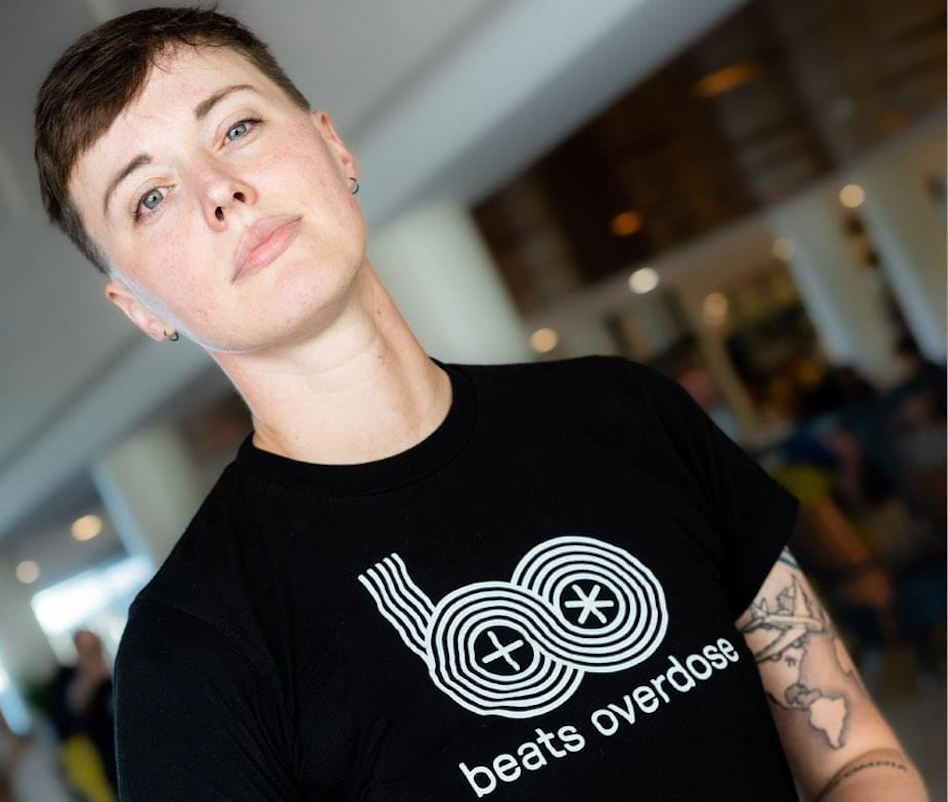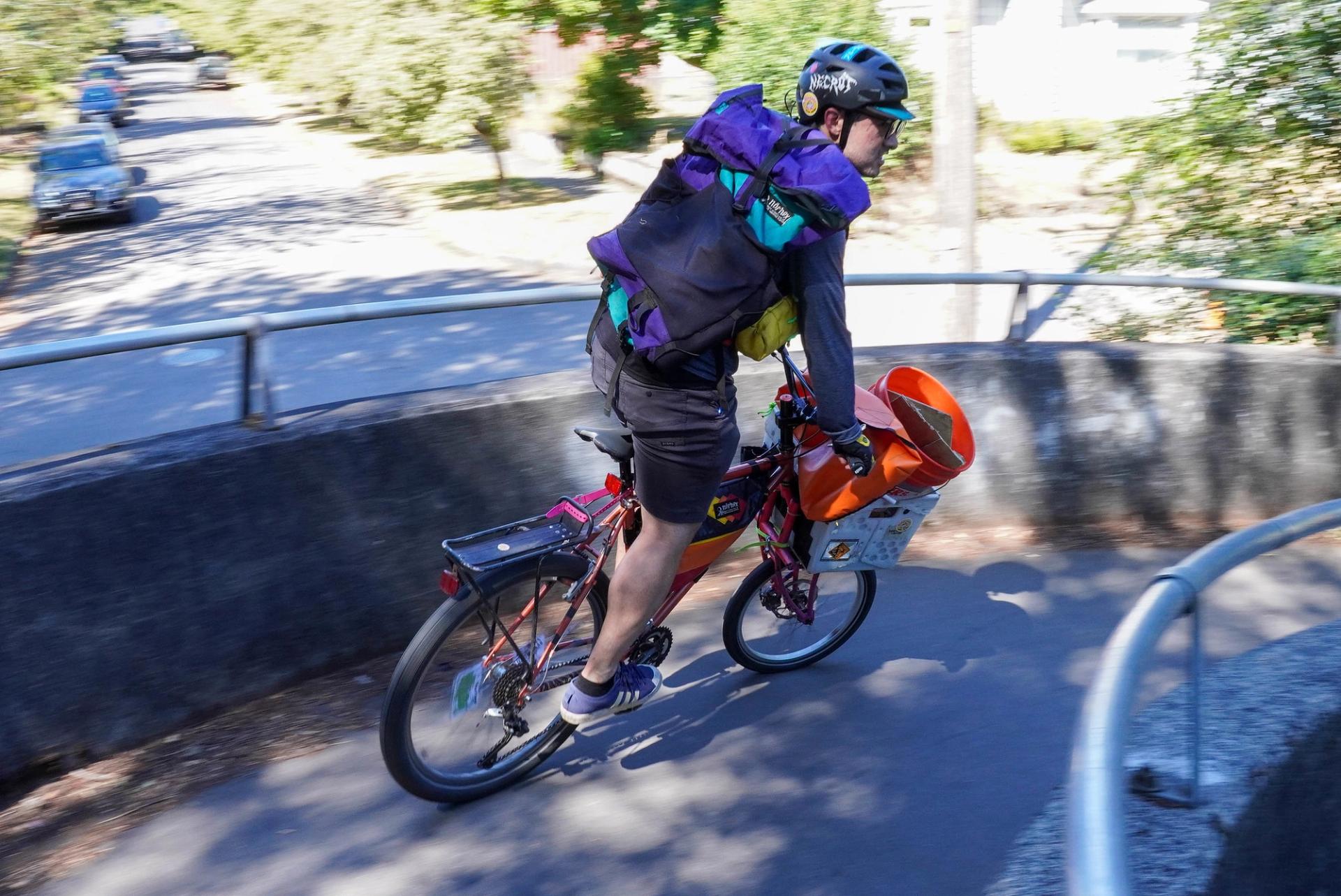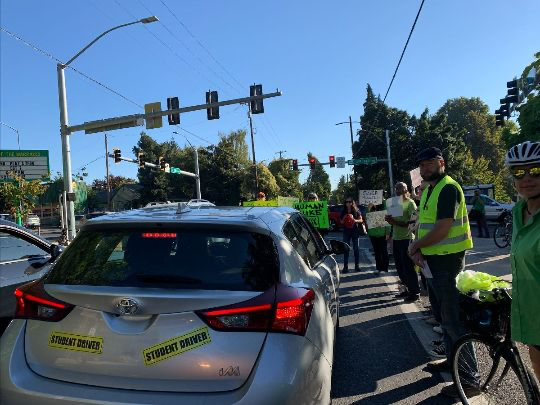
The active-transportation advocacy group The Street Trust, led by Sarah Iannarone, was among the voices demanding action after celebrated Portland chef Sarah Pliner, 50, died while cycling on Southeast Powell Boulevard in October. Remarkably, in the course of a few days, the Oregon Department of Transportation (aka ODOT) agreed to make changes – up to and including restrictions that have slowed the commute along that major road in Portland. I asked Iannarone why an agency that’s usually focused on getting people moving was willing to move on safety last month.
Why hadn't ODOT acted before to make Powell safer?
“Long story short, historically ODOT has been a highway-building agency and Powell Boulevard was designed, built, and maintained as a highway, primarily. The Oregon Transportation Commission, which oversees ODOT, pays lip service to safer, more equitable, climate-smart mobility, but their budgets demonstrate commitment to continued inequity and sustaining their legacy as a highway-building agency.”
Why did ODOT and the city act now?
"The advocacy community, PBOT, and even ODOT to some extent, were somewhat aligned. Because our relationships were healthy across the bike, ped, and complete-streets-advocacy organizations, we knew what to ask for in unison. But few intersections in the region or state can boast that level of civic capacity in the wake of a tragedy. And you shouldn't need to have a state senator on your PTA to get safe streets outside your school.”
What else would it take to actually reduce the number of deaths on streets? Or at least on Powell?
“Sure, we need motorists statewide to slow down and pay closer attention, but what we really need are systems that account for human error ... because humans err, a lot. Design-based solutions are what we're asking for – streets for people which take human error into account, which have safe bus stops, protected bike lanes, pedestrian islands, curb and sidewalk extensions, turn calming, and leading pedestrian intervals, etc.”