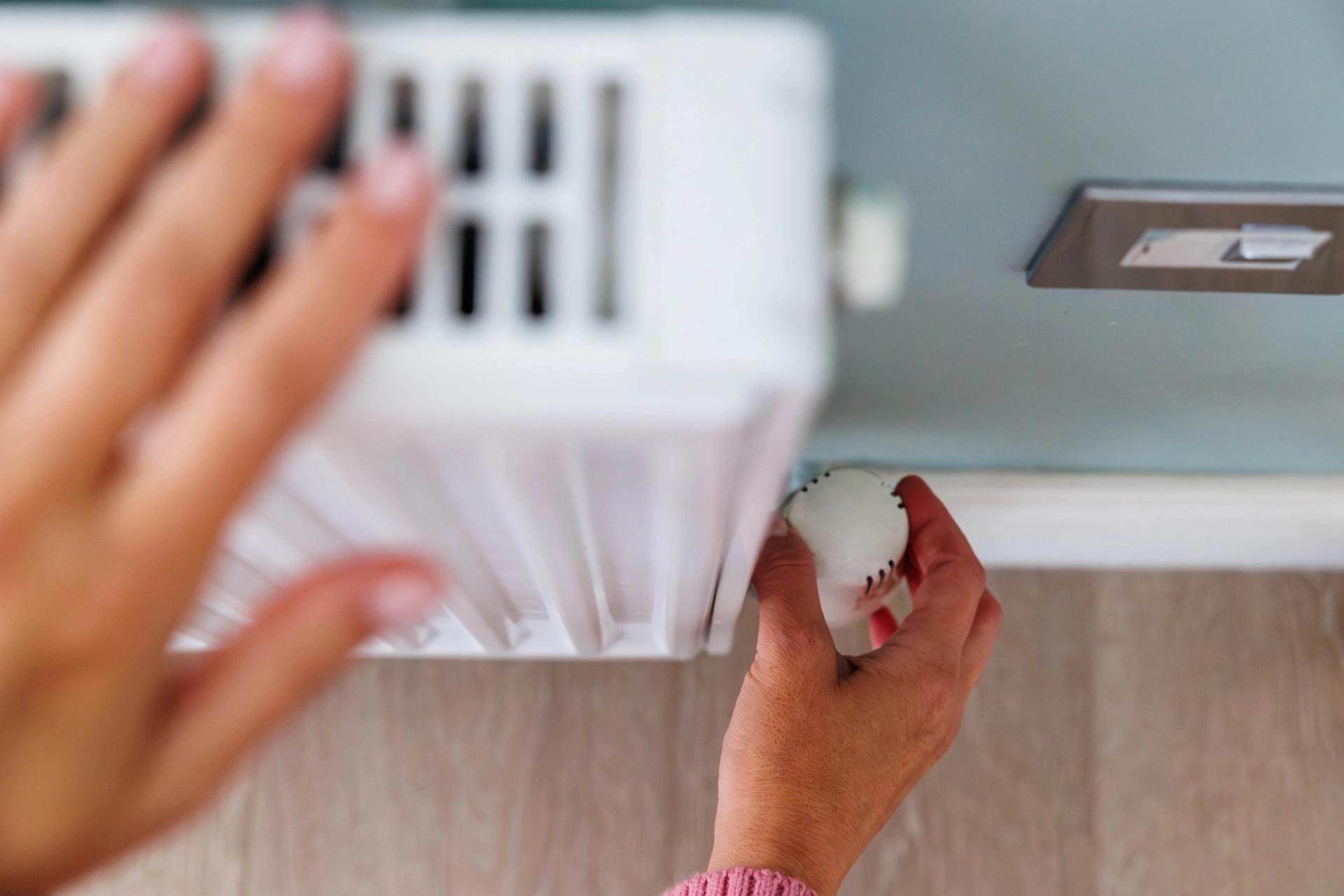
The change of seasons brings colder temperatures, and for many of us, that means higher energy costs. According to the Department of Energy, as much as 63% of the average American’s annual energy consumption comes from space and water heating. That adds up to hundreds, or even thousands, of dollars a year.
But the DOE estimates as much as 20% of the energy we pay for to warm our homes is wasted due to drafts and other inefficiencies. With a few simple and affordable steps, you can reduce energy waste and save money this winter.
Seal Up Drafts
Insulation helps keep cold air out and warm air in. But many homes have gaps that allow your expensive heat to slip outside. Conduct a simple energy audit by walking around your home and identifying any spaces where you feel cold, drafty air. Then check for the source.
Window frames might need new caulking around them. Or you can seal up older windows entirely with simple DIY film kits, which add an extra layer of transparent insulation around leaks. Want to go a step further? You can buy kits to seal gaps around your outlets and light switches on external walls.
Turn Down Your Water Heater
Water heating consumes as much as 18% of an average American household’s energy costs. But there’s a simple, safe way to lower those costs: lower the temperature your water heater is set to maintain. Most manufacturers set water heaters to 140 F, but the DOE recommends setting it to 120 F. This shift can save you up to 10% of your costs! Here’s how to adjust the water heater’s setting (and remember to follow ALL precautions).
Adjust Your Thermostat
Investing in a programmable thermostat is a fantastic way to save on energy costs. Lowering the temperature when you’re not at home, and only setting it to around 68-70 F when you are can save you as much as 10% on heating costs, the DOE estimates. Also, setting a schedule to lower temperatures at night can actually help you get a better night’s sleep.
PGE also offers a $25 rebate each winter and summer for customers with a smart thermostat who agree to limit AC and heat use during peak times.
Use Your Ceiling Fans
Yes, these summer favorites can actually help you feel warmer in winter months. Most ceiling fans have a switch to flip the direction they rotate and how they circulate air. Adjusting it to slowly rotate clockwise can force warmer air to move further down in the room.
Get Cozy
The simplest, easiest step you can take? Dress warmly. Trade out your tank tops and T-shirts for sweaters, sweatshirts, and warm pants. Also, those beautiful blankets you got from your grandma? Now is the perfect time to snuggle up under one on the couch or while working from home.
Do you have other tips for saving on winter heating costs?